Project
Overview
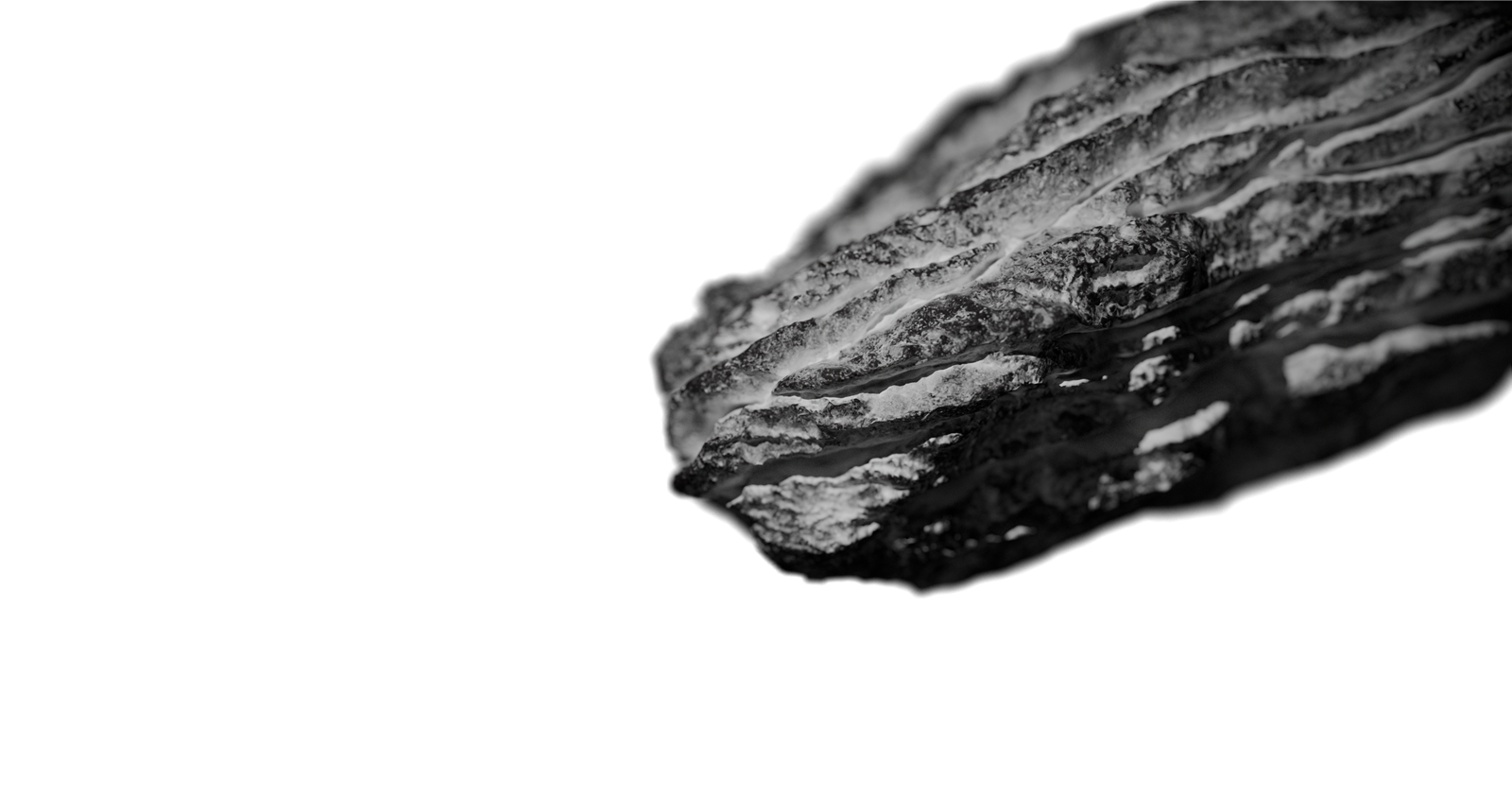
Offcut wasn't created around a fixed concept. Instead, its meaning emerged through months of questioning, changing, and reconsidering the project until the act of refinement became the subject itself. The result is a reflection on the tension between pursuing a stronger idea and preserving the character of where it first began.
(01)
Origin
The project didn't start out being about refinement. The rocks were originally tied to fish — a personal interest and a private reason for making them. As the work developed, that first meaning began to feel incomplete, and each revision replaced a little more of it. The original idea was never fully discarded; fragments of it are still embedded in the piece. It became an offcut of the project that grew around it.
(02)
The cycle
Every return to the project followed the same pattern. The work could never fully escape it — so the pattern itself became the subject.
(03)
Natural form
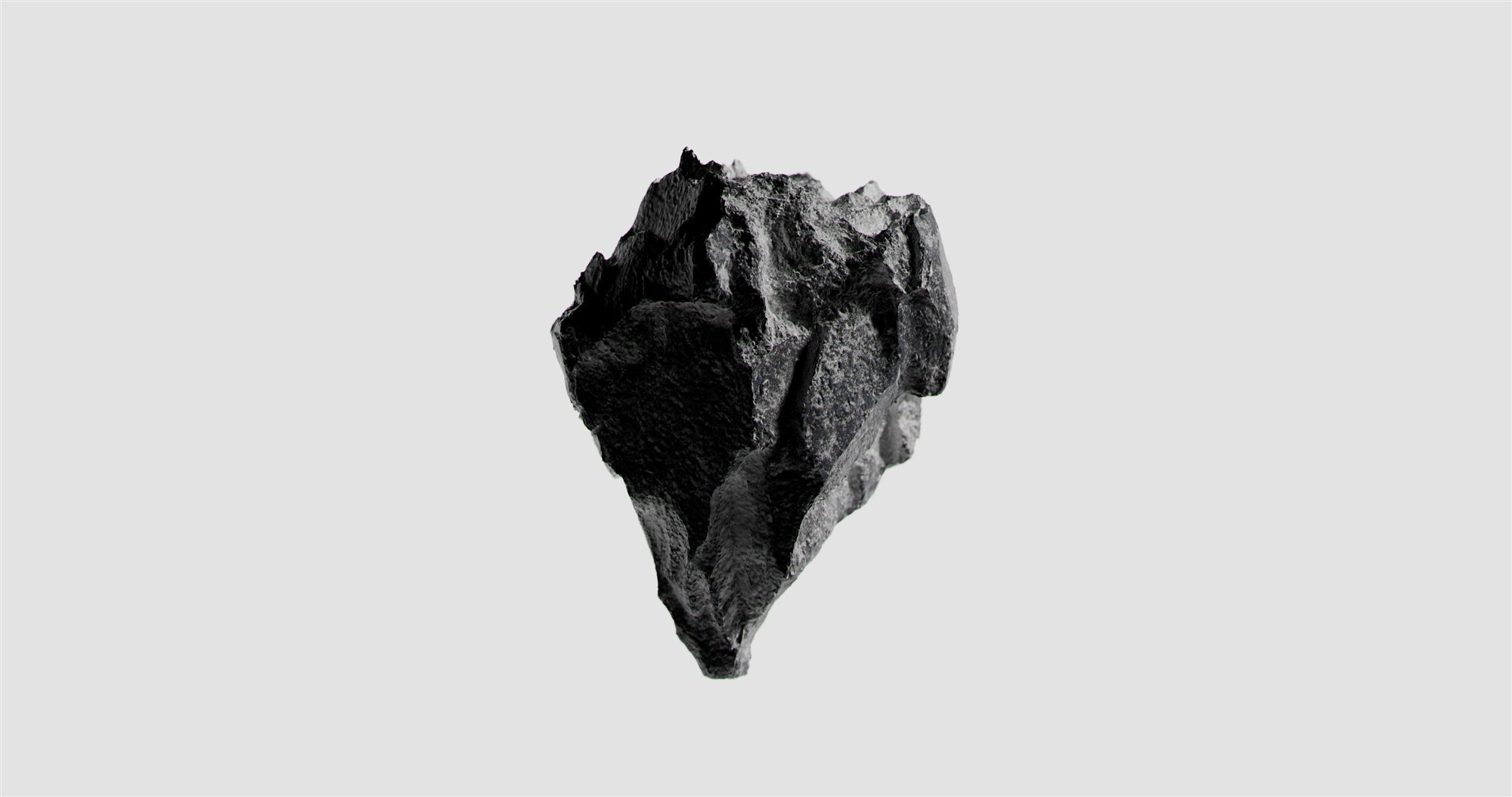
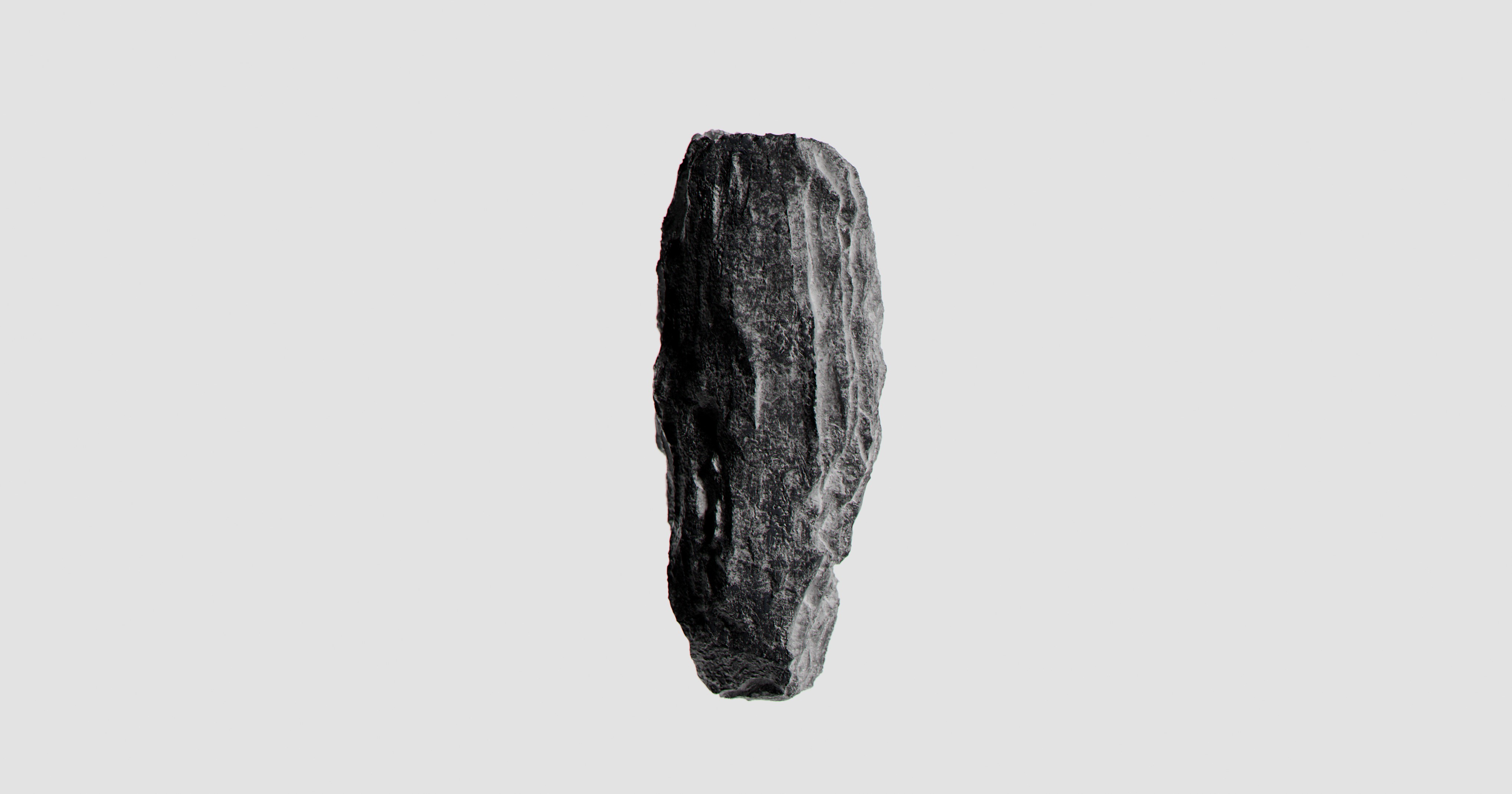
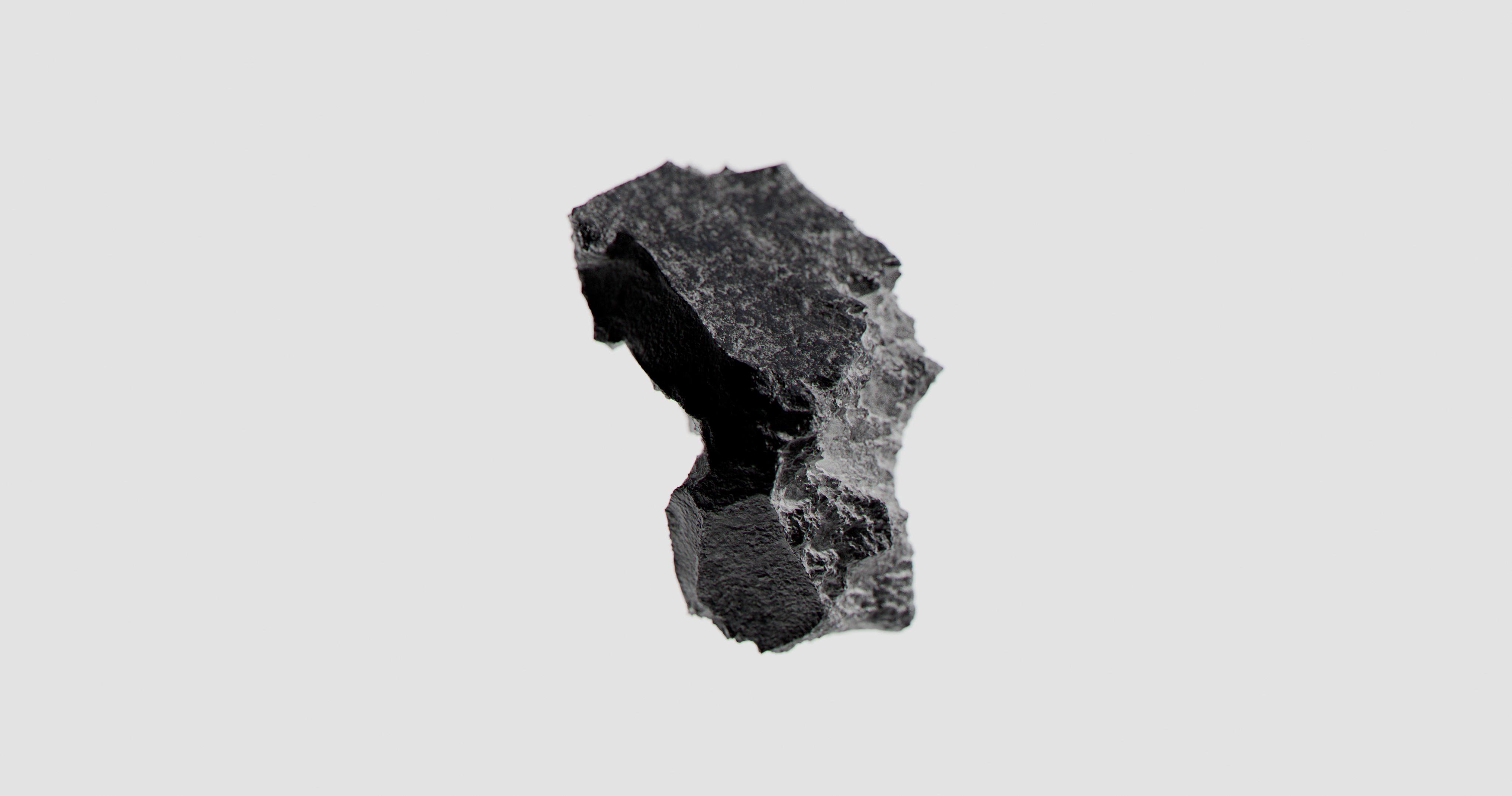
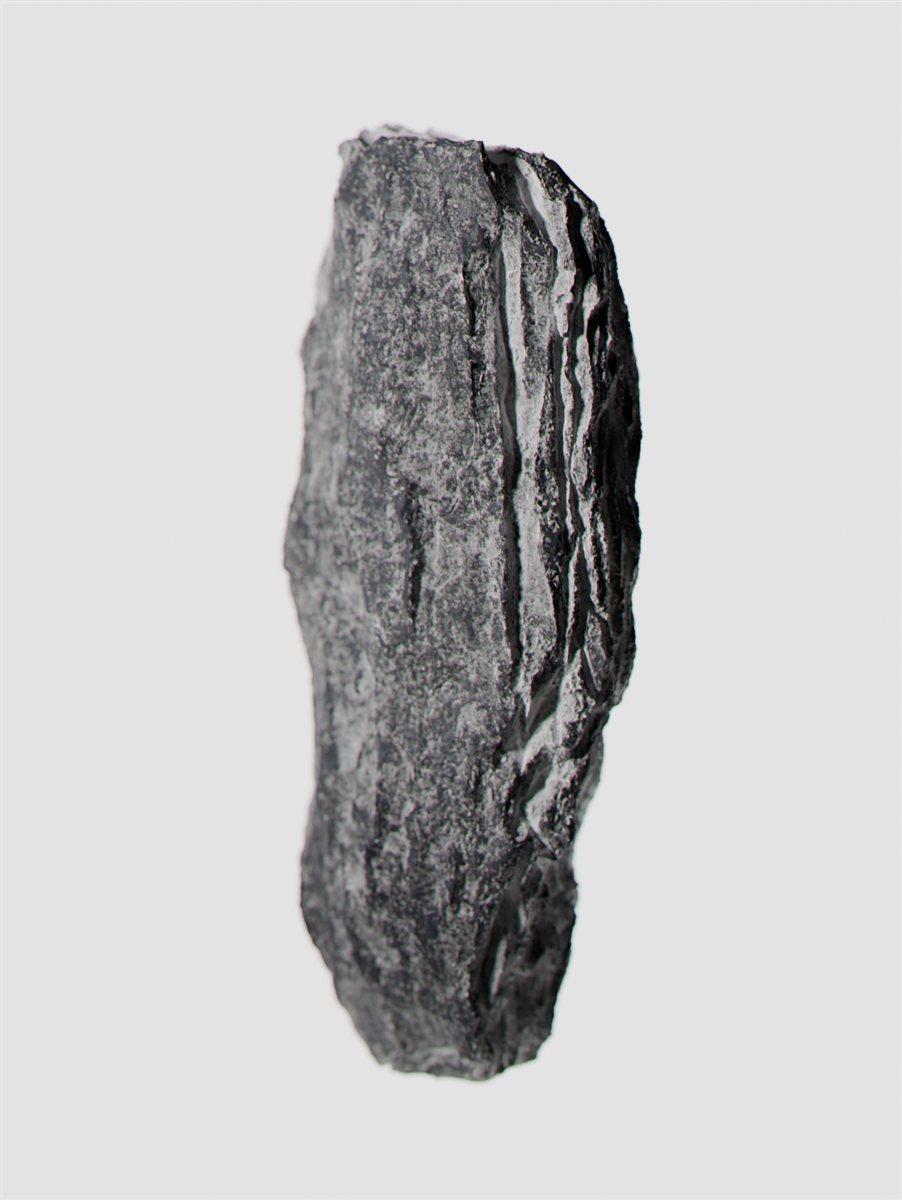
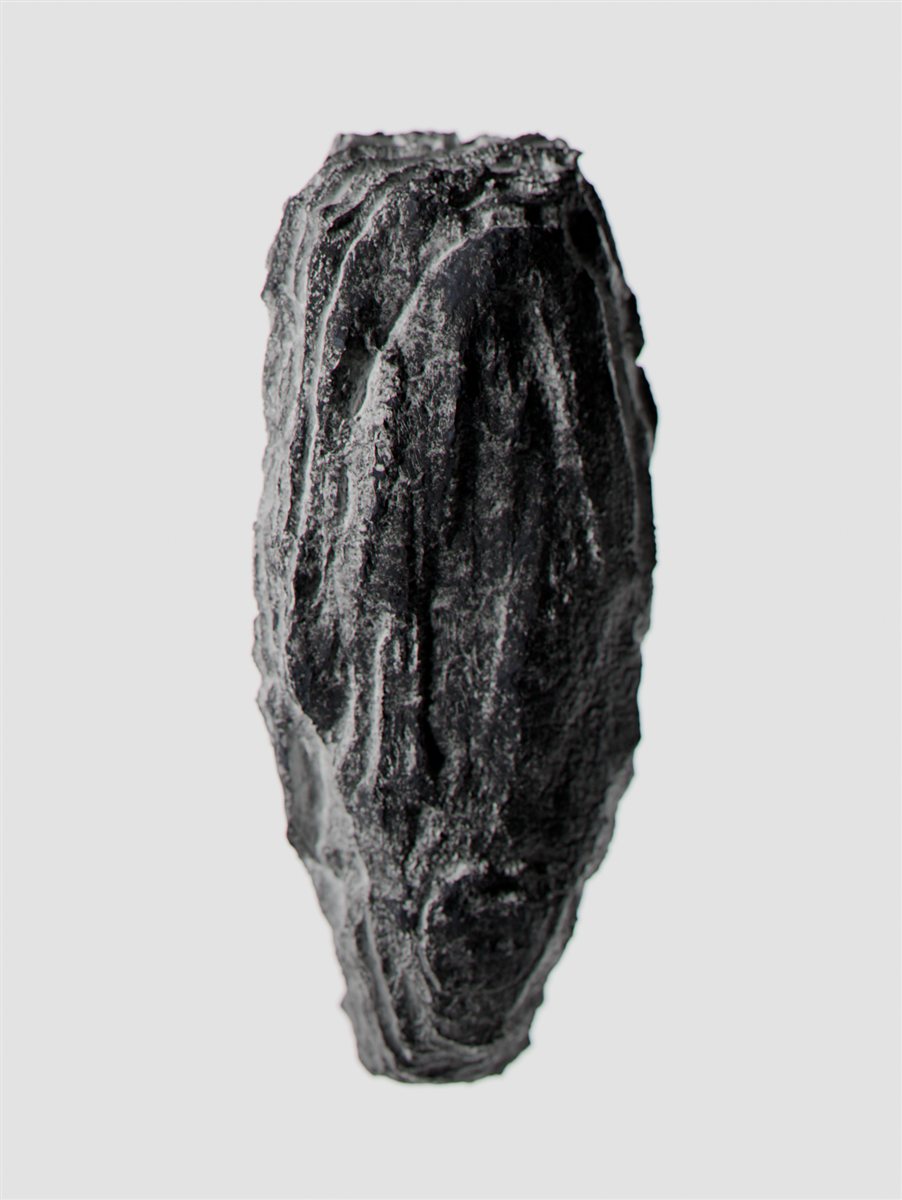
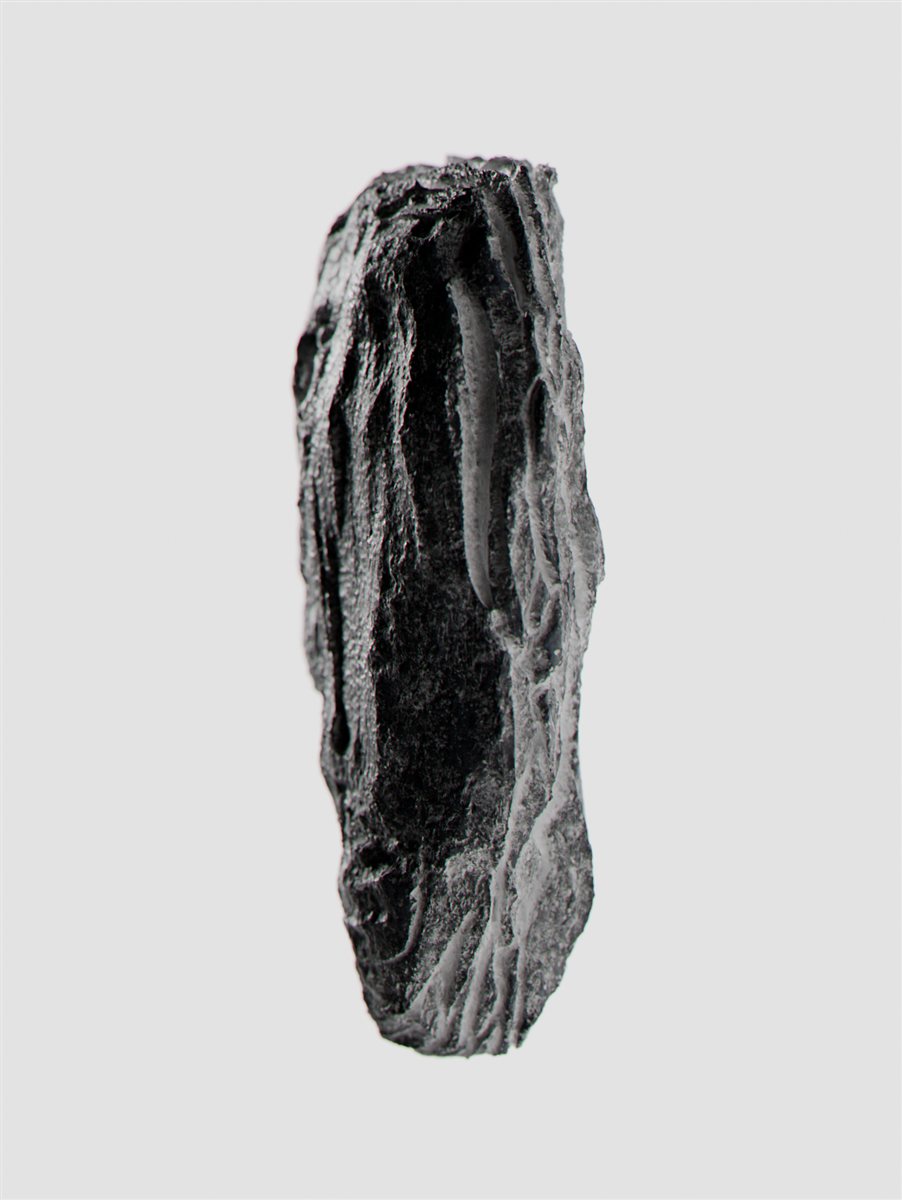
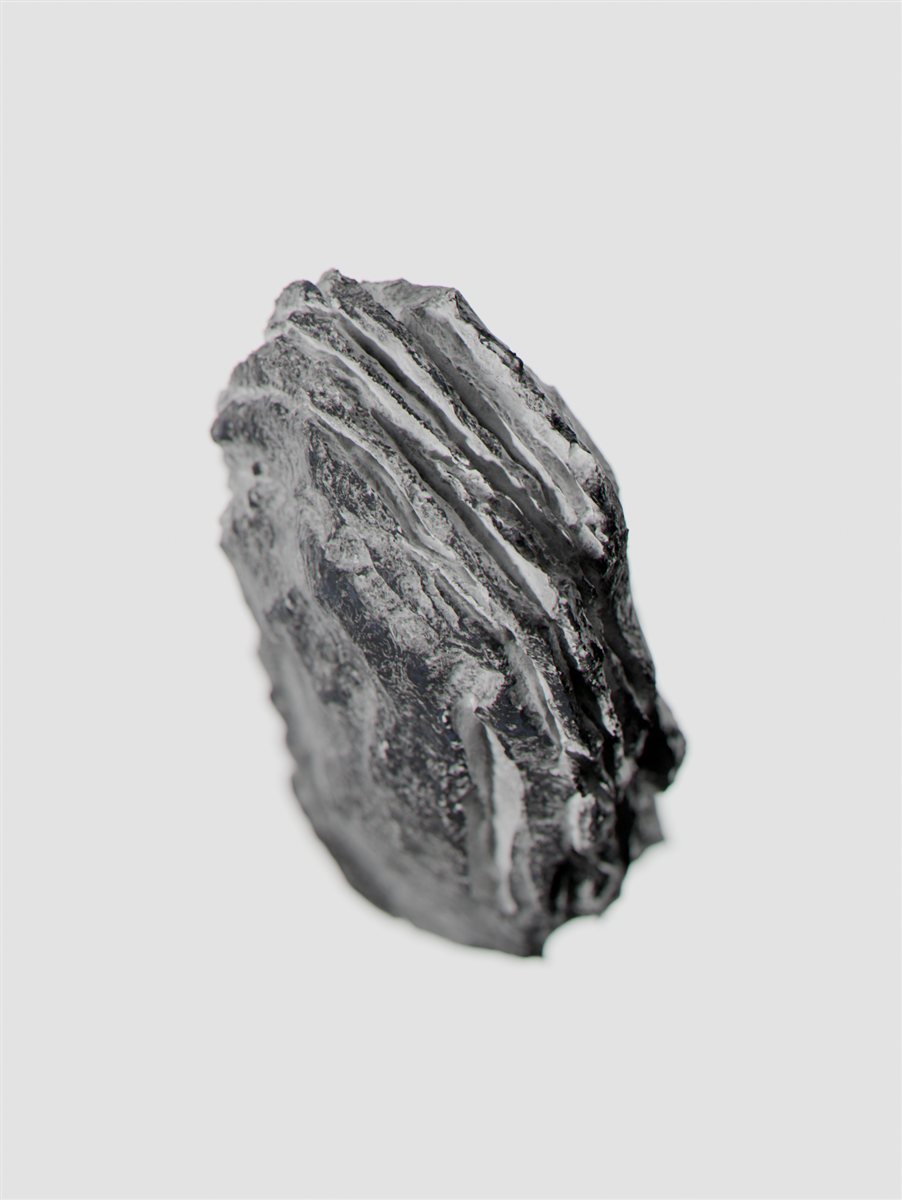
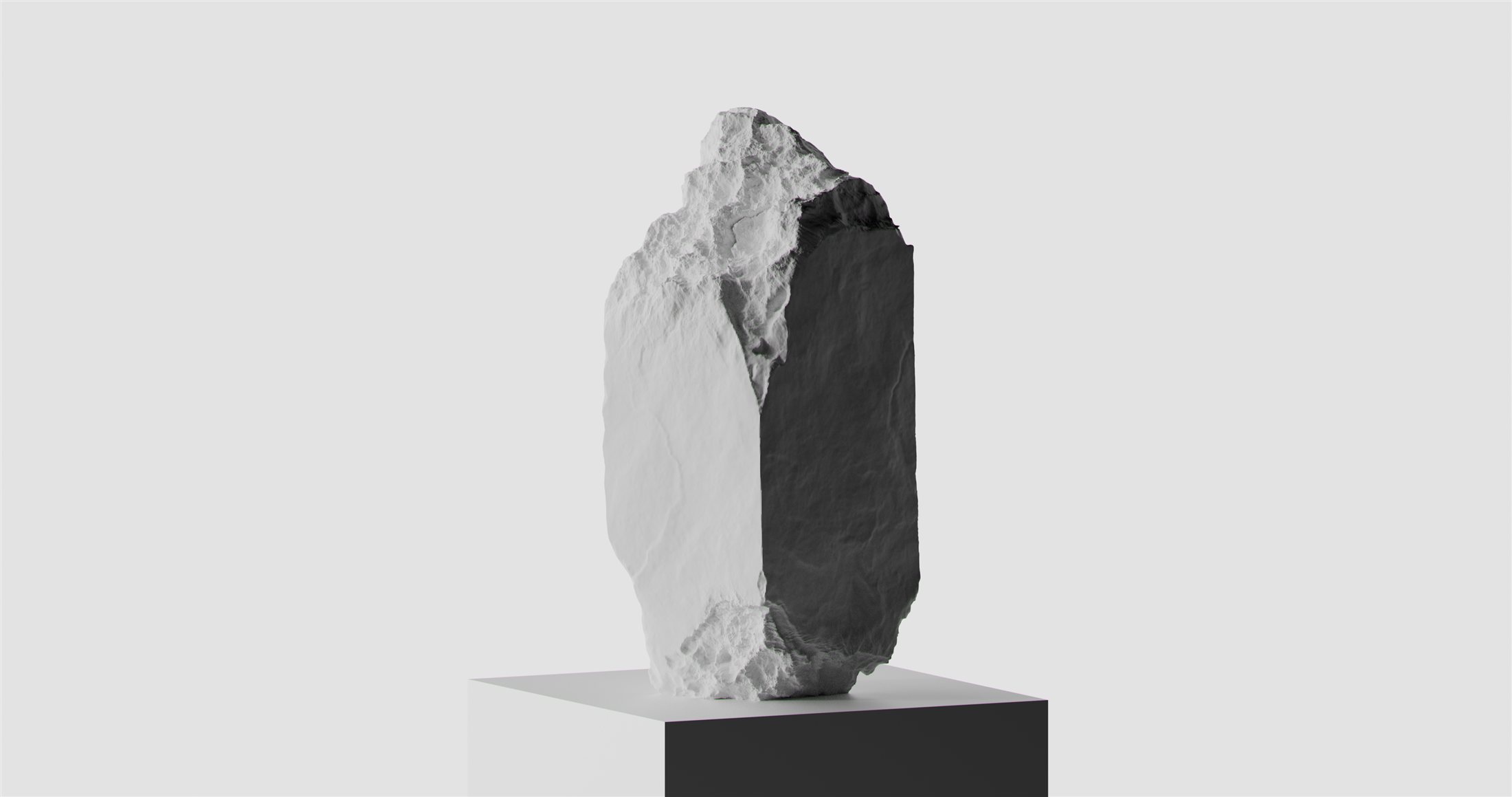
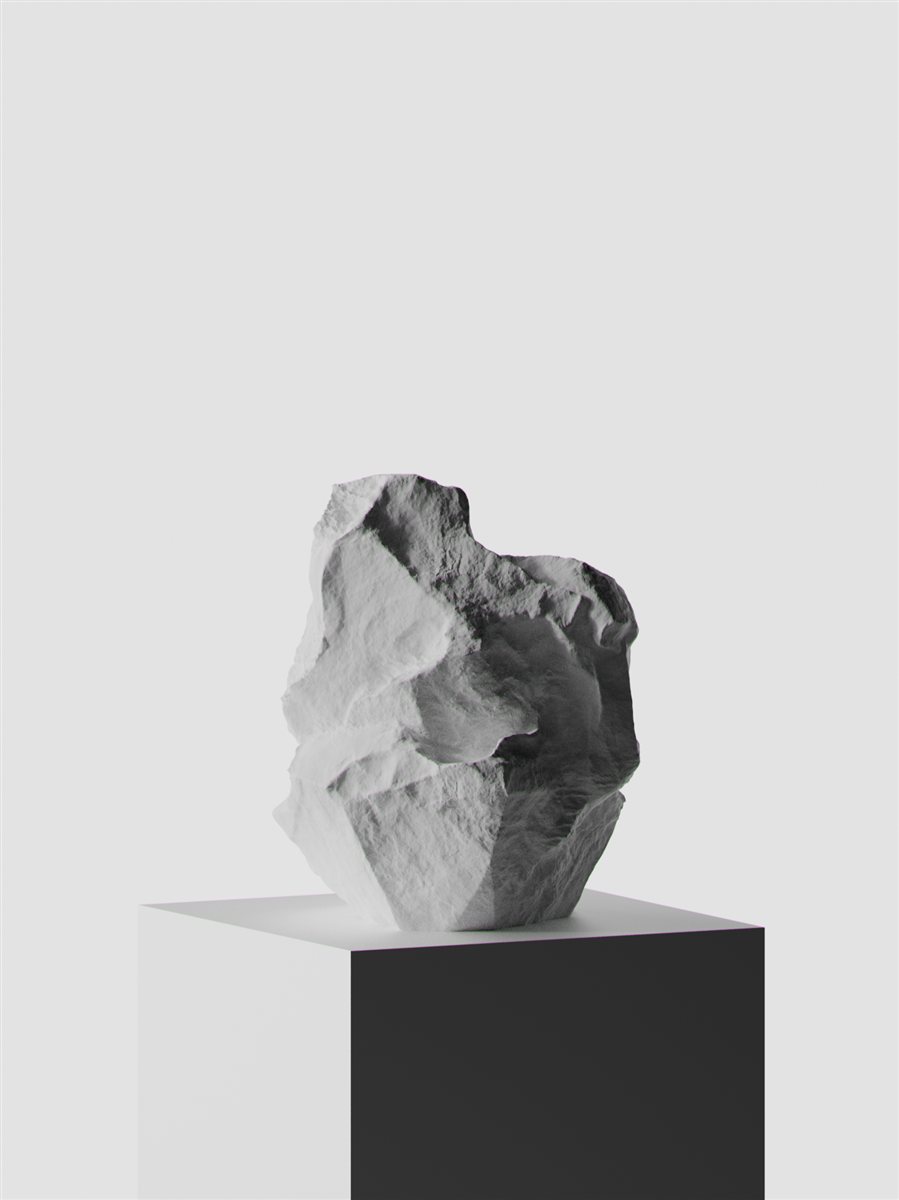
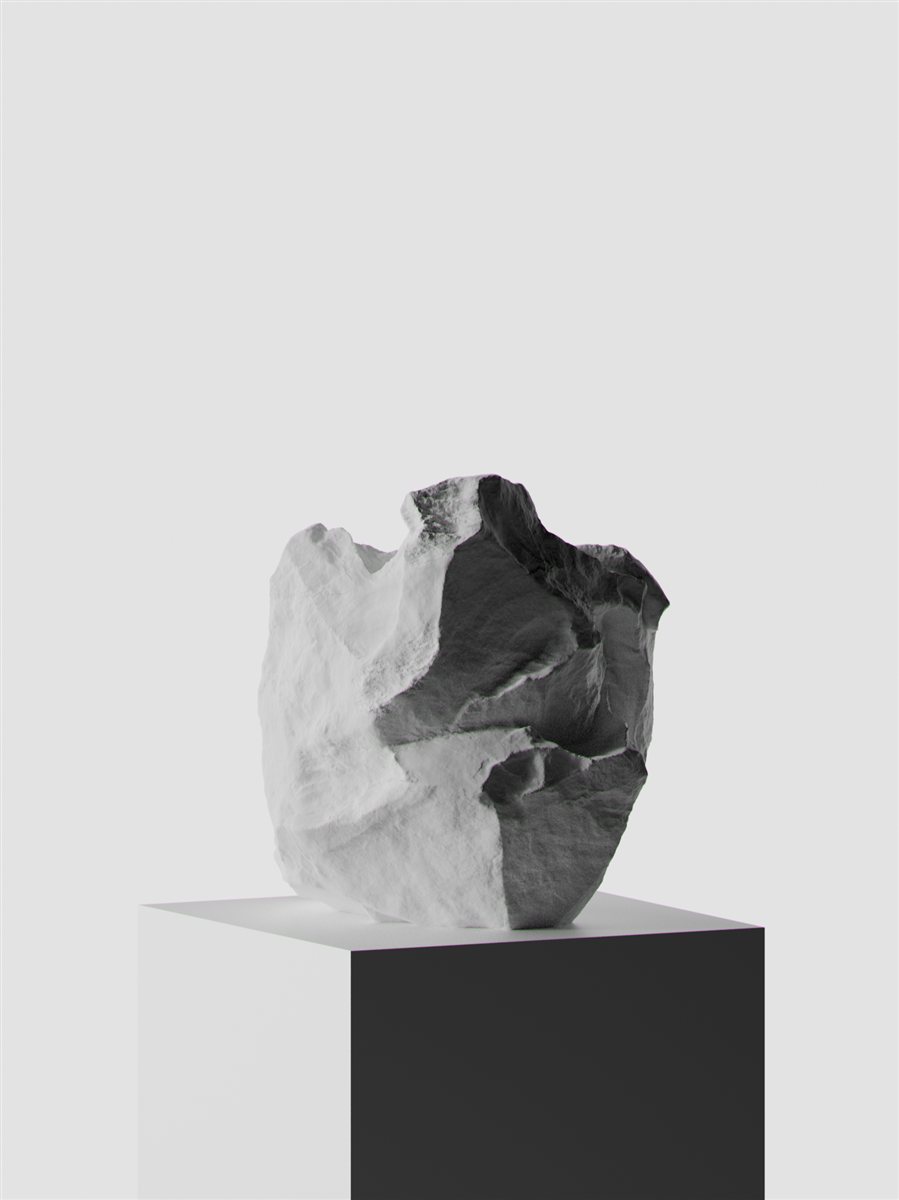
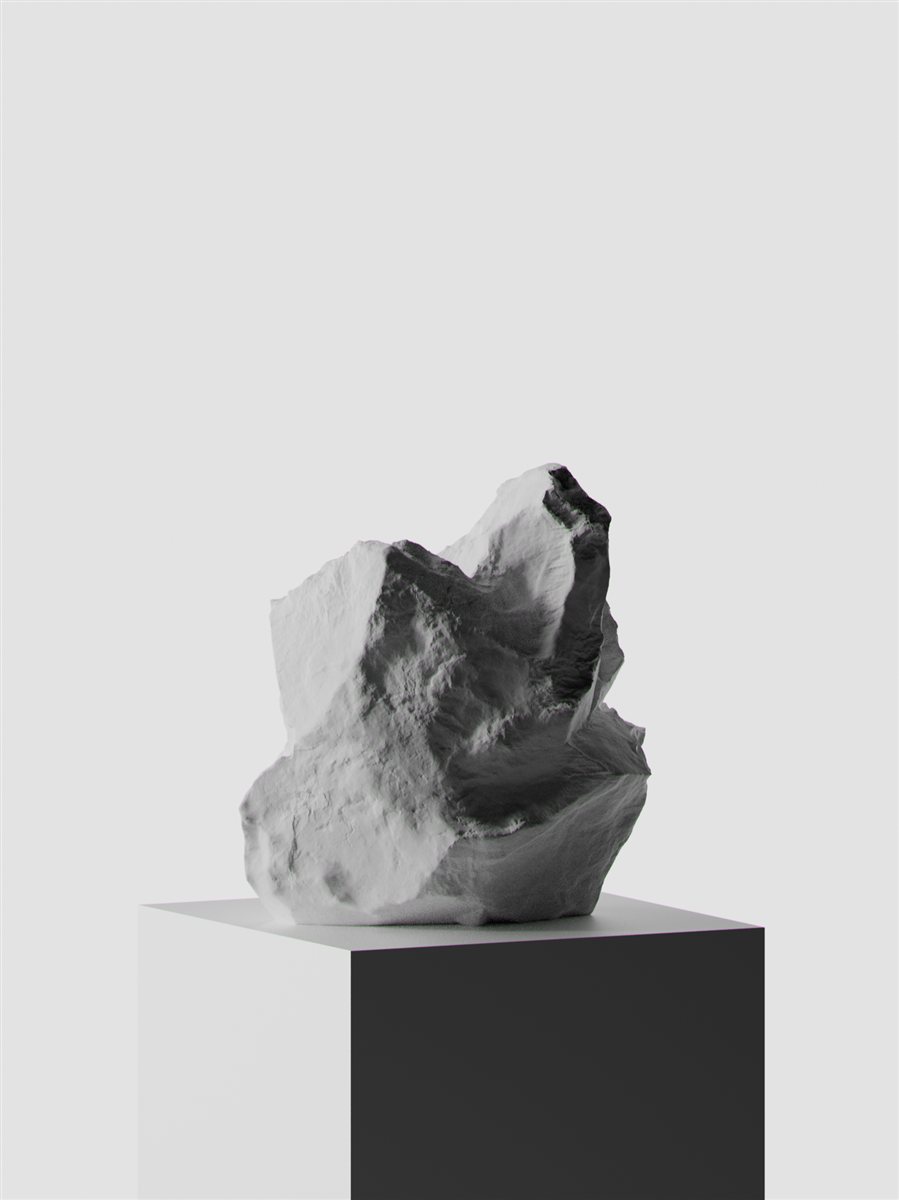
The rocks aren't individual characters, and none of them carries its own story. They work as a group: forms shaped by pressure, impact, time and chance rather than by intention. A natural object doesn't choose its final shape or justify its irregularities — its character is simply the record of what happened to it. Refinement replaces that record with a human idea of what the form should become.
(04)
A perfect circle
One geometrically perfect shape appears in the project as a counterpoint to the rocks. A rough diamond gets cut and polished because the cut version is considered more beautiful — but the rough stone had character before anyone touched it. In Offcut, perfection isn't the absence of imperfection; it's the point where further refinement would start taking something away.
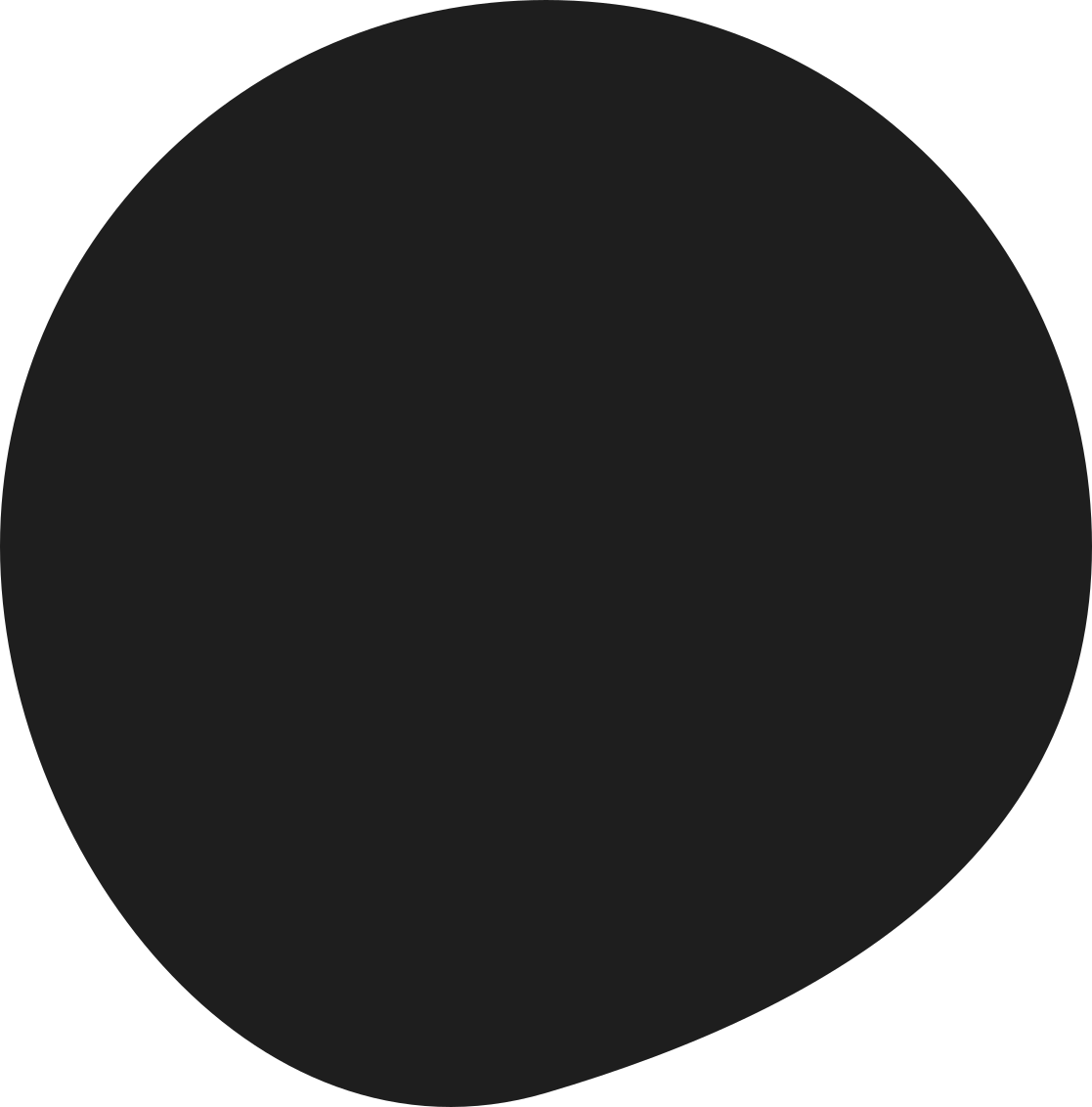 Figure 1 — A Perfect Circle
The longer something exists, the more versions of it begin to accumulate — each one slightly different from the last.
(05)
The loop
The website is structured as a cycle rather than a straight line. Scrolling down moves through the project as usual — but at the bottom, the only way onward is back up, and the return journey reveals a second layer of content. Reaching the end starts a different version of the experience, the same way a revisited idea never reads the way it did the first time.
(06)
Chalk
The second layer is built around chalk, borrowed from bouldering. Chalk is the material of effort: it helps a climber keep moving, and it leaves marks behind as evidence of the attempt. In the project it stands for the traces that earlier versions of an idea leave inside the finished work — a phrase that survived, a visual decision that stayed.
(07)
Identity
The logomark is six shapes: five perfect circles and one triangle. The circles are the refined outcome — identical, resolved, interchangeable. The triangle is the outlier, the shape that kept its corners. In the logo animation the circles settle into their grid in an even rhythm, and the triangle lands last, slightly out of step — the eye goes straight to the one shape that doesn't conform. That's the identity in miniature: five things polished into sameness, and one offcut left the way it was.

Offcut ends without resolving its question. Sometimes refinement improves a thing; sometimes it removes what made it worth keeping. The piece is built to stay caught between the two.
(08)
Unfished
The project ends with UNFI__SHED, intentionally leaving the word unfinished incomplete. Reading it as 'unfished' became a reminder of where the project originally began from my interest in fish, even though that meaning is no longer its focus. It also suggests that the work is never truly finished being at the end of the website's loop, proposing that completeness is not found in perfection, but in accepting something for what it has become.

Next project
Environments